Rest Is a Weapon: How Serious Competitors Beat Burnout Without Losing Their Edge
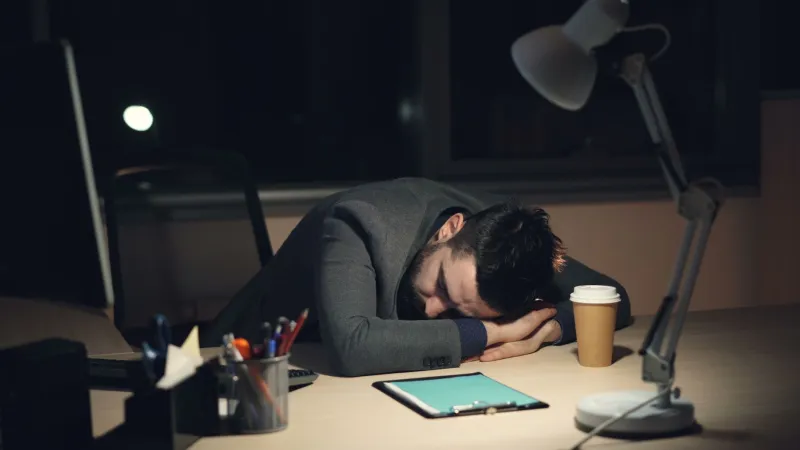
You know the feeling. It creeps in somewhere around your fourth straight hour of ranked, usually right after a loss that felt completely undeserved. Your crosshair placement is sloppy. Your callouts are late. You're tilted before the match even loads. That hollow, glazed-over sensation staring back at you from the monitor? That's the Void Stare — and it's not a vibe, it's a warning sign.
Burnout in competitive gaming is real, it's measurable, and it's quietly tanking the performance of players at every level — from grinding Silver in Valorant to streaming twelve-hour sessions to a loyal fanbase. The good news? Once you understand what's actually happening to your brain and body, you can flip the script entirely. Rest stops being the thing that sets you back and starts being the thing that puts you ahead.
What Burnout Actually Does to Your Game
Sports psychologists and cognitive neuroscientists have been studying performance fatigue for decades, and esports is increasingly being brought into that conversation. A 2021 study published in the International Journal of Environmental Research and Public Health found that esports athletes experience psychological burnout at rates comparable to traditional sport athletes — driven by emotional exhaustion, depersonalization, and a reduced sense of accomplishment.
In gaming terms? That translates to caring less about winning, playing on autopilot, and feeling like no amount of hours logged is actually making you better. Your reaction times slow. Decision-making under pressure — the exact skill that separates good players from great ones — degrades significantly when the prefrontal cortex is running on empty.
On top of the mental toll, there's a physical dimension that hardcore players often ignore. Chronic sleep deprivation, poor posture, repetitive strain, and irregular eating patterns compound the cognitive damage. You're not just mentally cooked — your body is actively working against your performance.
The Grind Culture Trap
Here's the uncomfortable truth: gaming culture has spent years glorifying the idea that more hours equals more progress. Streamers flex their session lengths. Content creators post "I played for 24 hours straight" thumbnails. The message baked into competitive spaces is that rest is for people who don't want it badly enough.
That's not just wrong — it's strategically backward.
Pro esports organizations figured this out years ago. Teams in the LCS, VCT, and CDL all employ performance coaches, sports psychologists, and structured practice schedules with mandatory rest built in. These aren't soft accommodations. They're deliberate performance tools used by organizations spending millions of dollars to win.
Team Liquid, Cloud9, and 100 Thieves have all publicly discussed integrating mental health resources and recovery protocols into their competitive infrastructure. The top orgs aren't grinding 16 hours a day — they're grinding smart.
Science-Backed Recovery Strategies That Actually Work
Sleep is non-negotiable. This sounds basic because it is, and yet it's the most violated rule in the gaming community. Research consistently shows that sleep is when the brain consolidates memory and motor learning — the exact processes that lock in muscle memory and game sense. Cutting sleep to grind more ranked games is literally preventing your practice from sticking. Aim for seven to nine hours. No, a Red Bull doesn't replace it.
Scheduled mental breaks during sessions matter. The Pomodoro technique — 25 minutes of focused work followed by a 5-minute break — has solid cognitive science backing it. Applied to gaming, structured micro-breaks between games or during queue times help maintain focus over longer sessions. Stepping away from the screen, even briefly, prevents the kind of compounding fatigue that turns a good session into a destructive one.
Physical movement is a performance enhancer. Exercise increases blood flow to the brain, reduces cortisol (the stress hormone), and has been directly linked to improved reaction time and mood regulation. Pro players like Tyler1 have talked openly about incorporating gym routines into their schedules — not for aesthetics, but because feeling physically strong translates to mental resilience at the keyboard.
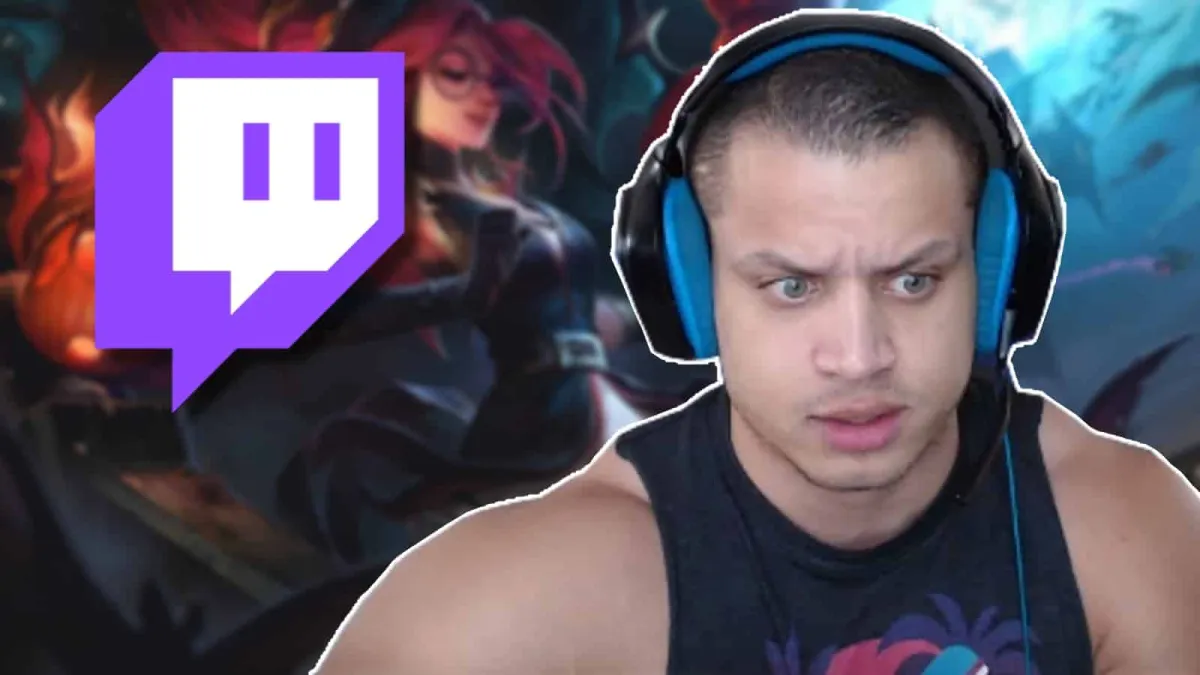 Photo: Tyler1, via www.dexerto.com
Intentional disengagement from the game. One of the hardest things for competitive players to do is step back entirely for a day or two. But cognitive science supports "diffuse thinking" — the brain's ability to process and problem-solve passively when you stop forcing active engagement. Some of your best insights about positioning, strategy, or mechanics will come when you're not playing at all.
Reframing Rest as a Competitive Advantage
The mental shift required here is significant but powerful: stop thinking about rest as lost time and start thinking about it as loaded time. Every hour of quality sleep is your brain encoding the sessions you just ran. Every workout is your nervous system recovering its precision. Every day off is your motivation regenerating so you can come back to the game actually hungry for it instead of mechanically going through the motions.
Pro athletes in traditional sports have understood this for generations. Tom Brady's sleep routine is legendary. LeBron reportedly sleeps up to twelve hours a night during the season. These aren't lazy choices — they're optimized ones made by competitors who understand that the body and mind performing at their ceiling requires deliberate recovery investment.
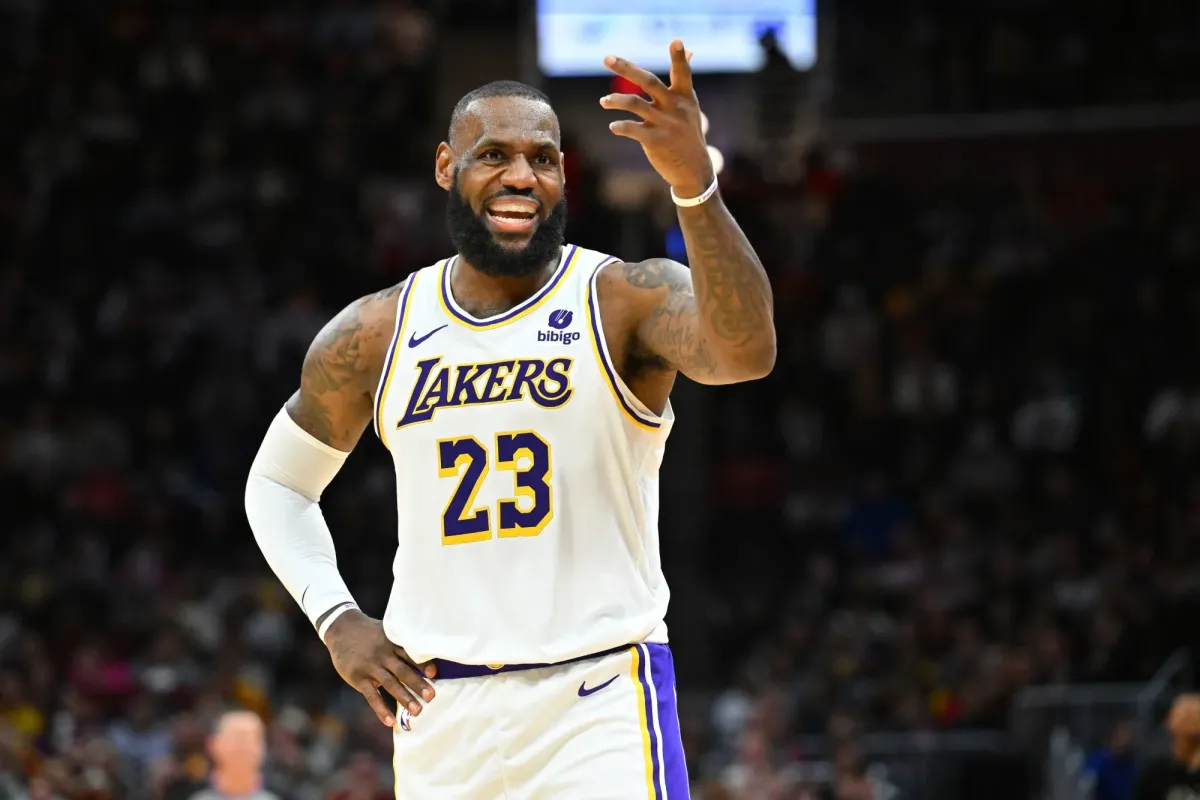 Photo: LeBron, via www.sportsencounter.com
 Photo: Tom Brady, via static0.thesportsterimages.com
Esports is no different. The void doesn't reward the player who puts in the most hours. It rewards the player who shows up sharpest when the stakes are highest.
Building Your Recovery Routine
You don't need a professional coaching staff to implement this. Here's a practical framework:
- Set a hard stop time for gaming sessions at least an hour before bed. Blue light and mental stimulation close to sleep time fragment your sleep quality even if you hit your hours.
- Track your sessions honestly. If you're losing more than you're winning in the back half of a long session, you're playing on fumes. Log it and stop.
- Designate at least one full off-day per week. Not a light day — an actual day where you don't queue ranked. Watch VODs if you want to stay connected, but let your competitive mind breathe.
- Find a physical outlet. It doesn't have to be the gym. A daily walk, a bike ride, or even consistent stretching routines break the sedentary cycle and reset your nervous system.
- Talk about it. The stigma around admitting burnout in gaming spaces is fading, but it's still there. Find your squad, your Discord, your community — and normalize the conversation.
The Void Rewards the Sharp, Not the Sleepless
Burnout isn't a sign that you're not cut out for competitive gaming. It's a sign that you've been treating your performance like a machine without maintenance. The players who dominate long-term aren't the ones who grind hardest — they're the ones who have figured out how to sustain the grind without burning the whole thing down.
Rest isn't retreat. It's reloading. And when you come back to that ranked queue rested, recovered, and locked in, the void doesn't stand a chance.