When the World Sleeps, They Grind: Inside America's Late-Night Esports Underground
When the World Sleeps, They Grind: Inside America's Late-Night Esports Underground
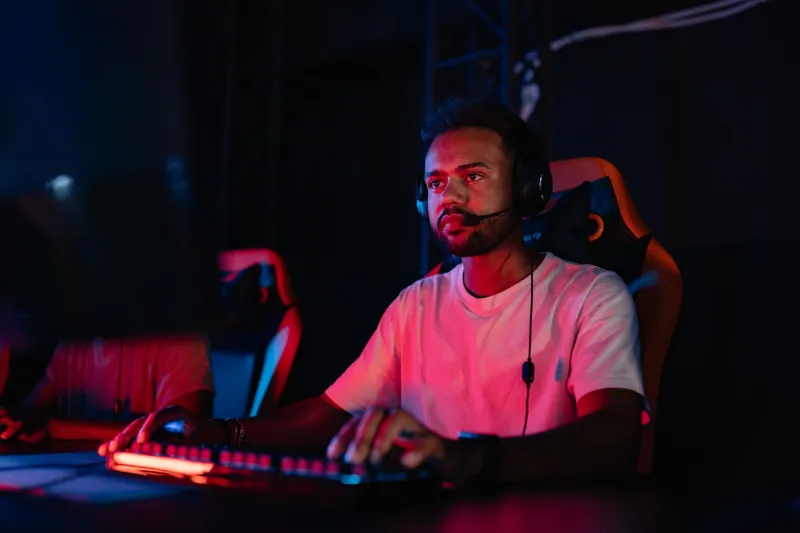
The clock hits 2:47 AM somewhere in suburban Ohio. The house is dead quiet. Everyone else checked out hours ago. But Marcus — a 19-year-old Valorant player with a rapidly climbing ranked ladder — is wide awake, headset on, leaning into his monitor like it owes him something. This isn't insomnia. This is strategy.
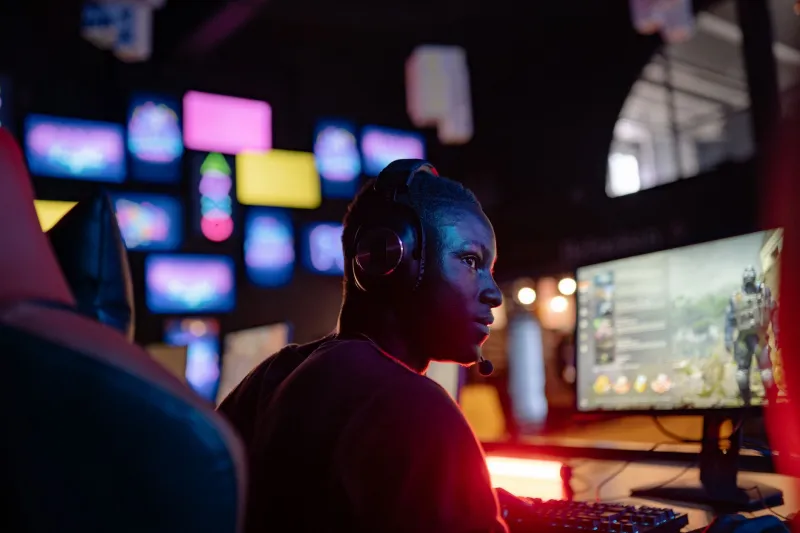
Across the country, from apartment complexes in Los Angeles to college dorms in Austin to basements in Atlanta, a subculture of competitive gamers is doing their most serious work in the hours when the rest of the world has completely checked out. No coaches watching. No teammates to impress. No content to perform for. Just them, the game, and whatever they're willing to build in the dark.
The Void Opens Up After Midnight
Ask anyone who's done serious late-night sessions and they'll tell you the same thing — the game feels different after midnight. The servers get cleaner, the lobbies get sweatier, and something clicks in your brain that just doesn't happen at 7 PM after work or school.
There's actually some science behind that feeling. Research on circadian rhythms suggests that certain individuals — particularly younger adults — experience heightened alertness and cognitive sharpness in the late evening hours. For night owls, the brain's prefrontal cortex, which handles decision-making and pattern recognition, can operate at a higher clip when the rest of the world has powered down.
But beyond the biology, there's something psychological happening too. The absence of social pressure creates space. Nobody's watching your stream. Your Discord is silent. You're not performing for anyone. That's when the real repetitions start stacking.
"During the day I feel like I'm playing with noise in my head," says Dani, a 21-year-old CS2 player from Phoenix who's been grinding ranked at 3 AM for the past two years. "Late night it's just me and the game. I can actually hear my own thoughts about what I'm doing wrong."
Rituals in the Dark
What separates these players from people who just stay up too late scrolling TikTok isn't the hour — it's the intention. The late-night grinders operate with structure. They've built rituals around the session that would look familiar to any serious athlete.
For some, it starts with a warmup block — deathmatch, aim trainers, flicking drills. Then they move into ranked play, usually targeting a specific mechanic or decision-making pattern they want to fix. After the session, a lot of them VOD review their worst moments before bed. It's a loop that turns the night into a private laboratory.
Jordan, a 22-year-old Rocket League player from Charlotte, keeps a physical notebook next to his setup. Every session, he writes down one thing he did wrong and one thing he improved. Over two years of late-night sessions, that notebook is almost full. His rank? Up three divisions since he started the habit.
"People think grinding means just playing more games," Jordan says. "It's not. It's playing with your brain actually engaged. Night is when I can do that."
The Lobby Quality Factor
Here's something the late-night crowd will put you onto if you ask: the competition in ranked queues after midnight hits different. The casual players — the ones logging on to decompress after work, the occasional gamers, the people who aren't really invested — they've all logged off. What's left is the committed. The obsessed. The ones who, like you, are still awake because the game won't let them sleep.
For players trying to climb, this is a feature, not a bug. Getting reps against serious opponents at 2 AM accelerates skill development faster than stomping lower-quality lobbies during prime time. You're forced to problem-solve at a higher level. Every game is a harder exam.
"Midnight ranked is basically a different game," says Kyle, a 20-year-old League of Legends player from Seattle. "The people still queuing at 1 AM are not messing around. It made me level up faster than anything else."
The Cost Nobody Talks About
Let's be real though — this lifestyle comes with weight. Late-night grinding is not a sustainable long-term strategy if you're not managing the rest of your life around it. Sleep debt is real. Recovery is real. The players who've made this work aren't just staying up late — they're building their whole schedule backwards from their peak performance window.
That means sleeping in when possible. Protecting nutrition. Being honest about when the sessions are productive versus when they're just compulsive. The difference between a grinder and a burnout case is often whether they're treating the late-night hours as a deliberate tool or just a bad habit they've convinced themselves is hustle.
Dani puts it plainly: "I don't do it every night. I do it when I have something specific to fix and I know I'm mentally ready to work. If I'm just tired and tilted, I go to sleep. The void doesn't reward you for showing up empty."
What the Darkness Actually Builds
The players deep in this subculture will tell you the late-night sessions build something beyond mechanics. There's a mental toughness that develops when you're putting in work that nobody sees, in hours that nobody respects, for a goal that hasn't paid off yet. You're essentially betting on yourself in the dark.
That internal confidence — the kind that doesn't need an audience to stay lit — is exactly what separates players who crack under tournament pressure from players who perform when it matters. They've already done the hard thing alone. A crowd watching doesn't change the equation.
Marcus, back in Ohio, finishes his session around 4:15 AM. He reviews one clip, jots a note, closes his laptop. He's got something to try tomorrow night. Or tonight, technically.
"People ask me when I'm going to make it," he says. "I don't think about it like that. I just know that every night I put in work, I'm harder to beat than I was the day before. That's enough for now."
The void doesn't care what time it is. It just rewards whoever shows up ready to work.