3 AM and Undefeated: Inside the Shadow Tournament Circuit Producing America's Most Dangerous Unsigned Players
3 AM and Undefeated: Inside the Shadow Tournament Circuit Producing America's Most Dangerous Unsigned Players
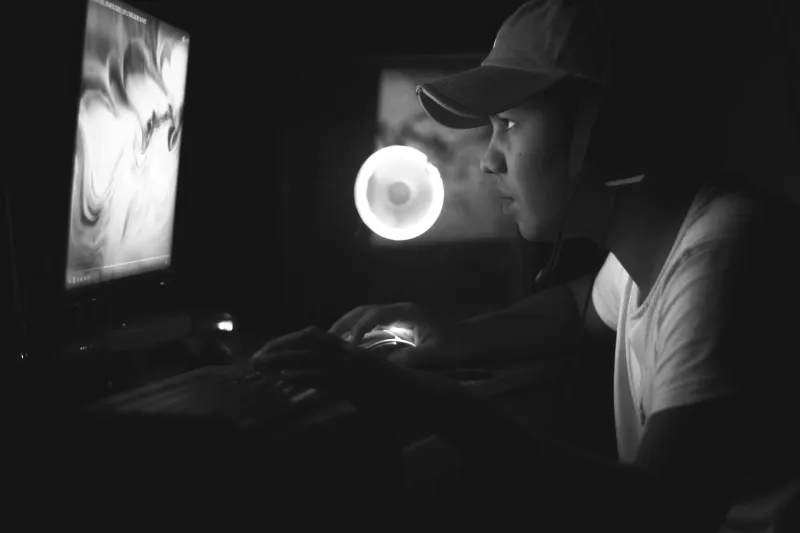
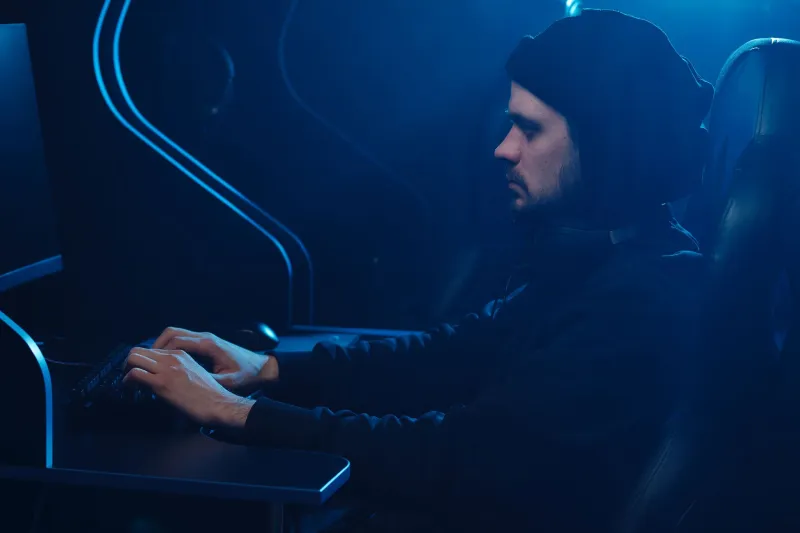
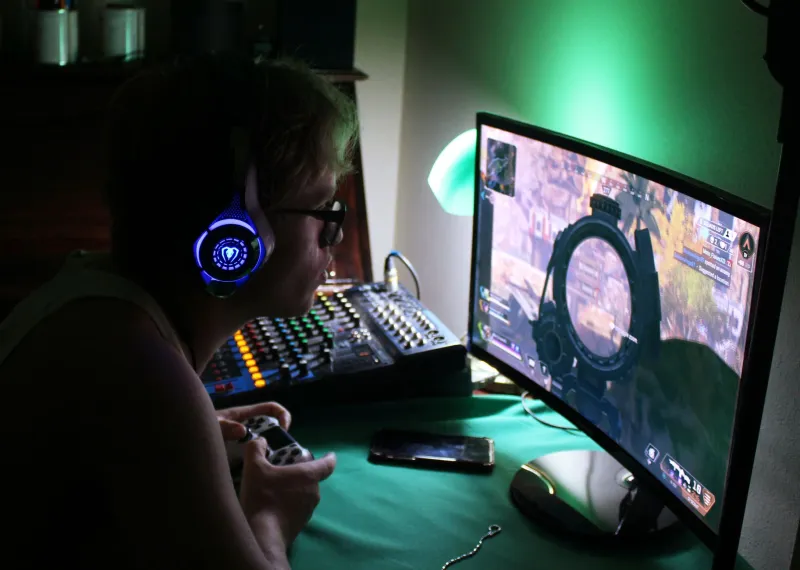
Most of the country is dead asleep. The highways are empty. The group chats have gone quiet. But somewhere in a darkened bedroom in Phoenix, a 19-year-old with blacked-out windows and a half-empty energy drink is dropping into a bracket that most people in competitive gaming have never heard of — and he's about to run it back for the third consecutive week.
This is the graveyard shift circuit. And it doesn't care what time your local ladder resets.
The Scene Nobody's Talking About (But Everyone Should Be)
Spread across a loose network of Discord servers, Challonge brackets, and niche community sites, a thriving underground tournament ecosystem has quietly taken root in the US competitive gaming scene. These events don't run at 7 PM on a Saturday. They kick off at midnight. Finals push past 3 AM. Some don't wrap until sunrise.
The organizers aren't major esports orgs. They're former semi-pros, obsessive community managers, and hardcore hobbyists who got tired of waiting for the official circuit to serve them. Players like Marcus "Veltrix" Cole, a 21-year-old Valorant grinder out of Atlanta who has been running a weekly late-night invitational for over a year, filling 64-player brackets almost every single time.
"Daytime tournaments have too much noise," Veltrix says. "People are distracted, they're tilting off Discord drama, they've got family walking in. At 3 AM, the people who show up actually want to be there. The competition is cleaner."
That sentiment echoes across the entire graveyard shift community. There's a self-selection happening at these hours that filters out the casual and the uncommitted. What's left is something sharp, strange, and genuinely dangerous.
Who Actually Shows Up
The player pool at these events is a specific breed. You've got unsigned talent who peaked out of ranked and need a structured competitive outlet. You've got college players who can't compete during normal hours because of classes or jobs. You've got shift workers, insomniacs, and people in time zones that make midnight EST feel like prime time. And increasingly, you've got ex-semi-pros who burned out on the traditional circuit and found something they actually enjoy in the low-stakes, high-intensity chaos of late-night play.
What's wild is the mechanical level. Because these events run consistently, with real — if modest — prize pools attached, the regulars have developed at a rate that's starting to turn heads. Scouts from a handful of tier-two orgs have reportedly started lurking brackets, tracking handle names across multiple weeks, watching VODs after the fact.
"I've had two orgs reach out to me after checking my bracket history," says a player who goes by "Nullshift" and competes primarily in late-night CS2 events. "Neither of them knew where I was from or what team I'd been on. They just saw the results and wanted to talk."
The Prize Structures and What's Actually at Stake
Let's be real — nobody's paying rent off graveyard shift prize pools. Most events run with prize structures built from entry fees, community donations, and the occasional small-business sponsorship. A first-place finish might net you $80 to $300 depending on turnout. Some of the more established circuits have grown their pools through Patreon-style recurring support, pulling in regular viewers who tune in specifically for the late-night atmosphere.
But the money isn't really the point, and the players will tell you that straight up. What these events offer that ranked ladder can't is structured, high-stakes match experience with real consequences — you lose, you're out, your bracket run is over. That pressure cooker environment is building something that casual grinding simply doesn't replicate.
Some organizers have gotten creative with non-cash incentives. Featured stream slots, coaching sessions from verified pros, and community recognition within tight-knit Discord ecosystems have all been used to supplement prize pools and keep top players coming back week after week.
The 3 AM Effect: Why the Hour Actually Matters
There's a physiological and psychological argument being made by the players themselves, and it's more interesting than it sounds. Several competitors in the graveyard shift scene describe a mental state they call being "in the void" — a stripped-down, low-stimulation focus that kicks in after the rest of the world goes offline.
The distractions evaporate. Social media slows to a crawl. No notifications, no background noise, no pressure from an audience that's awake and watching in real time. What remains is just the game and the opponent.
"I play better at 2 AM than I ever do at noon, and I've tracked it," says Nullshift. "My decision-making is faster. I'm not second-guessing. I think it's because there's genuinely nothing else competing for my attention."
Sports science has documented the concept of attentional narrowing under low-stimulation conditions, and while no formal research has been done on late-night gaming performance specifically, the anecdotal consensus among graveyard shift regulars is strikingly consistent. The hour isn't incidental to their performance — it's part of the formula.
From Shadow Brackets to Mainstream Visibility
The pipeline from graveyard circuit to legitimate esports visibility is still narrow, but it's opening. A handful of players have used documented late-night bracket records as proof-of-concept material when approaching orgs or applying to open tryouts. The receipts are there — win rates, VODs, opponent quality — and increasingly, the people doing recruiting are sophisticated enough to read them.
One mid-tier Valorant org that asked not to be named confirmed they'd signed a player in the past year whose primary competitive resume was built almost entirely through underground late-night events. "The fundamentals were undeniable," a rep told us. "We didn't care where he'd built them."
That's the quiet revolution happening at 3 AM in America's gaming bedrooms. No cameras, no broadcast desks, no crowd noise. Just brackets, Discord pings, and players who decided they weren't going to wait for permission to compete.
The Void Doesn't Sleep
The graveyard shift circuit isn't going mainstream — and honestly, its regulars don't want it to. The culture is built on exclusivity, on the shared understanding that showing up at midnight means something. It's a filter, a vibe check, a proof of commitment that the daytime scene can't replicate.
But whether the mainstream wants to acknowledge it or not, the talent coming out of these shadow brackets is real. The reps are getting put in. The mechanics are getting sharpened. And when those players eventually step onto a broadcast stage under real lights, they'll have already competed in hundreds of high-pressure rounds that most of their opponents have never experienced.
The graveyard shift isn't waiting for daylight. It's already winning.