Benched But Not Broken: Inside the Grind of America's Esports Substitute Players
Benched But Not Broken: Inside the Grind of America's Esports Substitute Players
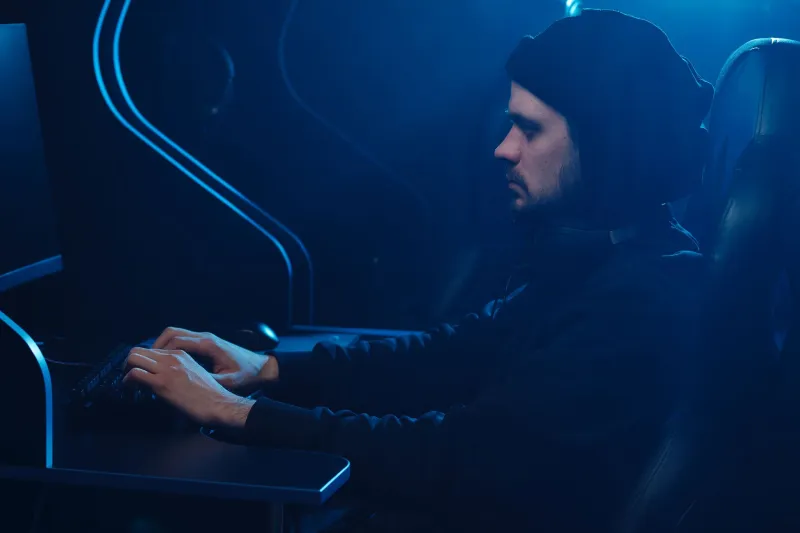
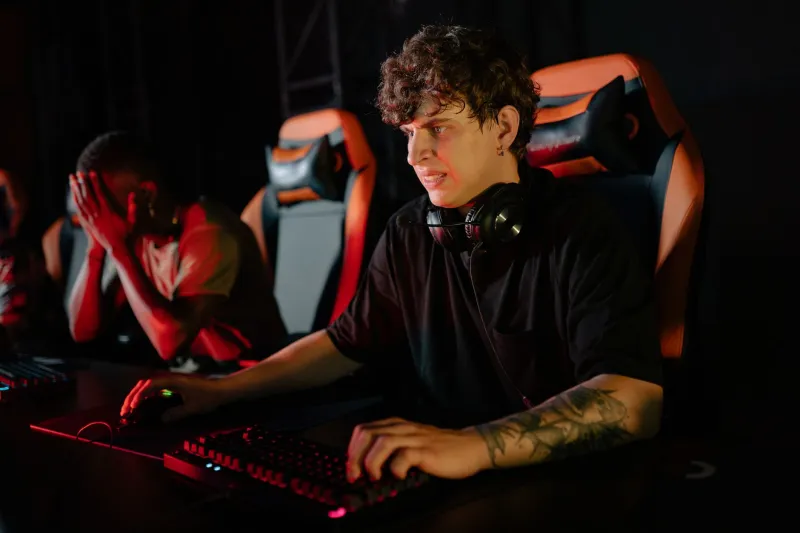
There's a specific kind of silence that fills a team house when the main roster loads into a tournament match. The crowd noise bleeds through headsets, the chat goes ballistic, and somewhere in the back — maybe at a secondary PC, maybe on a couch with a laptop — a substitute player watches it all happen without them.
They ran the same scrims. They drilled the same rotations. They probably know the opponent's tendencies better than half the starters do. But tonight, they're not playing. Tonight, they're waiting.
This is the shadow roster. And in American esports, it's one of the most overlooked and underestimated corners of competitive gaming.
The Invisible Labor of Being Second
Substitute players in US esports orgs exist in a strange professional purgatory. They're contracted. They're compensated — usually at a lower rate than starters, though that gap varies wildly by org and game title. They attend practice, participate in team strategy sessions, and are expected to be ready to perform at a moment's notice. What they're not guaranteed is the one thing every competitive player actually wants: stage time.
For some players, the sub role is a short layover on the way to a starting spot. For others, it stretches into months of grinding without a public win to show for it. The psychological weight of that reality is something most esports coverage never touches.
"You have to treat every day like you're starting," said one former substitute for a mid-tier Valorant org who eventually broke into a starting role. "Because the second you mentally check out, that's the second someone else takes your spot. The bench isn't a place to rest. It's a place to prove you don't belong there."
That mentality — staying sharp while the spotlight points somewhere else — is what separates the substitutes who eventually get their shot from the ones who quietly disappear from rosters without anyone noticing.
Coaches Who Weaponize the Bench
Not every coach views the substitute roster as a fallback option. Some of the more tactically sophisticated organizations in the US competitive scene use sub pressure as a deliberate development mechanism — a controlled stress environment designed to push starters and accelerate the growth of the players behind them.
The logic is pretty straightforward. When a starter knows there's a genuinely capable player ready to step in, complacency becomes a lot less comfortable. And when a substitute knows they're being evaluated against a live performance standard rather than just theoretical potential, their development sharpens fast.
One coach working with an emerging CS2 squad described it this way: "I want my subs in every strategic meeting. I want them calling out what they'd do differently. I want starters uncomfortable. That's not cruelty — that's how you build a deep roster that can actually compete across a long season."
The orgs that treat their bench players as irrelevant tend to find out the hard way what that costs them — usually when a starter goes down with burnout or a personal issue and there's nobody ready to step up without a week of emergency prep.
The Negotiation Nobody Talks About
There's also a financial and contractual dimension to the substitute experience that rarely gets public attention. Sub players often sign deals with less favorable terms — shorter contract windows, smaller salaries, fewer performance bonuses. Some organizations are upfront about this structure. Others are not.
Navigating that reality requires a level of business awareness that most young players entering the esports ecosystem aren't prepared for. The ones who handle it best tend to approach the sub role less like a holding pattern and more like a negotiating position.
"I knew going in that my contract wasn't great," said a former League of Legends academy player who later signed a significantly better deal after his performance during a starter's injury stint drew attention from competing orgs. "But I also knew that if I performed when the door opened, I'd have leverage I didn't have before. The bench wasn't a dead end. It was my setup."
That reframe — from victim of circumstance to architect of opportunity — is something coaches and sports psychologists working with esports athletes increasingly try to instill early. The players who internalize it tend to outlast the ones who burn out waiting for permission to matter.
What the Void Actually Teaches You
Spend enough time talking to players who came up through substitute roles and a pattern starts to emerge. Almost universally, they describe the experience as one of the most formative stretches of their competitive careers — not despite the difficulty, but because of it.
When you're not starting, you have time. Time to study opponents without the pressure of immediate application. Time to experiment with your mechanics without the stakes of a live match. Time to understand the game at a layer most starters are too busy performing to reach.
One Rocket League player who spent nearly a full season as a backup described it as "basically getting a free coaching certification." He watched more VODs in those months than he had in his entire previous career. By the time he cracked the starting lineup, he wasn't just a better mechanical player — he understood the game structurally in a way that made him significantly harder to read.
"Starters are always in execution mode," he said. "Subs get to live in analysis mode. If you use that right, you come out the other side smarter than almost anyone on the main roster."
The Breakout Moment
Every substitute player is chasing a version of the same story — the moment when circumstance and preparation collide and suddenly the whole scene knows your name. A starter gets benched for performance issues. An injury opens a slot. A roster shuffle creates a gap nobody expected.
When those moments arrive, they tend to arrive fast and without warning. The players who are ready for them — mentally, mechanically, strategically — are the ones who turn a substitute contract into a career-defining platform. The ones who spent their bench time waiting instead of working usually find the window closes before they can get through it.
The shadow roster isn't glamorous. Nobody's clipping your highlights when you're running scrims as a stand-in. Your name isn't in the broadcast graphics. The community might not even know you exist.
But in American esports, some of the sharpest competitors in the game right now spent time in exactly that shadow — and they'll tell you it's where they figured out who they actually were as players.
The void doesn't have to swallow you. Sometimes, if you're working while everyone else is watching, it's exactly where you need to be.