Basement Legends: How America's DIY Team Houses Are Producing the Next Generation of Pro Esports Players
Basement Legends: How America's DIY Team Houses Are Producing the Next Generation of Pro Esports Players
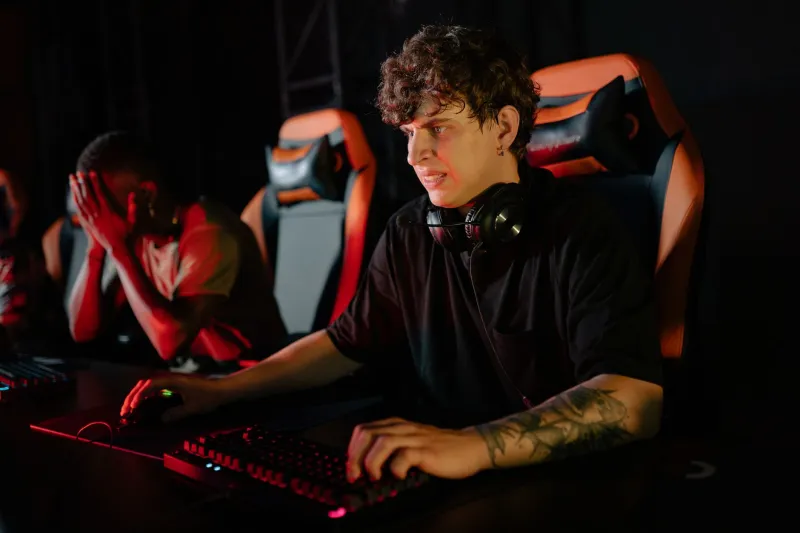
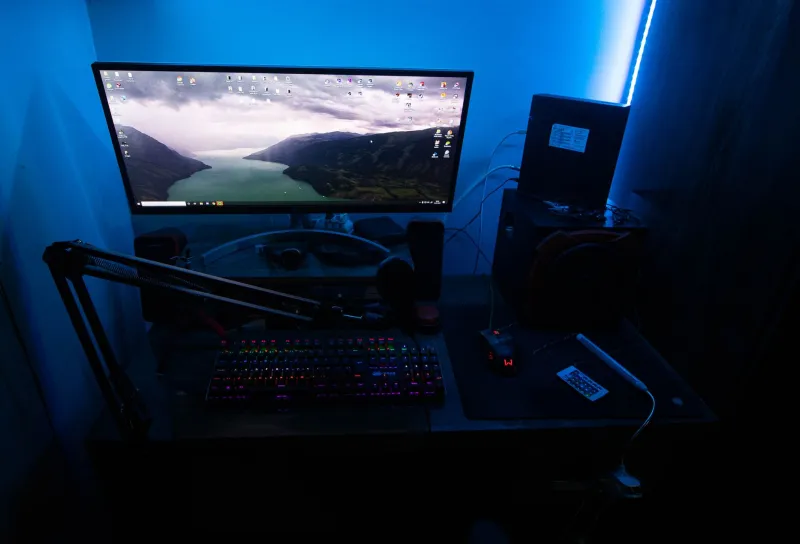
There's a house in the suburbs of Columbus, Ohio where six guys share two bathrooms, one industrial coffee maker, and a single obsessive goal: go pro. The living room has been gutted. Couches pushed to the walls. Six battlestation setups run on a daisy chain of power strips that probably violate at least three fire codes. By 10 AM every day, they're already deep into scrimmage sets. By midnight, they're reviewing VODs.
No org backing. No salary. No guarantee any of it leads anywhere.
And yet — two players from that house signed with mid-tier orgs last year. One is now competing at a tier-one level.
This is the underground pipeline. It doesn't have a name or a logo. It doesn't run press releases. But it is very real, and it's quietly producing some of the most battle-tested talent in American competitive gaming.
The Origin Story Nobody Talks About
The conventional narrative around going pro usually involves a player grinding ranked solo, getting noticed, getting trialed, getting signed. Clean. Linear. Digestible.
The reality is messier and way more interesting.
For a lot of players now entering the pro scene, the actual turning point wasn't a tryout — it was a house. Specifically, moving into one with other serious players and committing to a lifestyle most people their age would find borderline insane. Split rent, shared groceries, 10-hour practice days, and zero days off unless the whole squad agreed to it.
These informal team houses have been a fixture in esports for years, but they've exploded in frequency since 2020. Remote work normalized the idea of living arrangements built around productivity rather than geography. Streaming revenue gave some players just enough income to sustain a non-traditional setup. And the rising cost of traditional org infrastructure pushed more aspiring pros to self-organize rather than wait for a golden ticket that might never arrive.
How the System Actually Works
Every house runs a little differently, but the structure tends to follow a similar pattern.
Someone — usually the most experienced or most organized player in the group — takes point on logistics. They find the house, manage the shared expenses, and build the practice schedule. It's basically a player-coach role without the title or the paycheck.
From there, the collective functions like a micro-org. They register for open qualifiers, grind amateur leagues, and target every tournament with a prize pool worth the entry fee. Winnings get split, often with a percentage set aside for house expenses. Some groups even negotiate informal sponsorships with peripheral brands or energy drink companies — nothing major, but enough to offset costs.
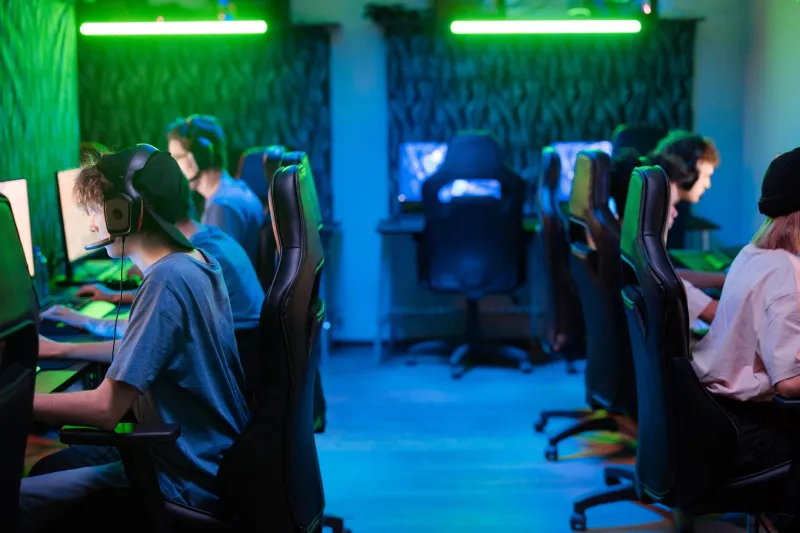
Scrimmages are the backbone. These houses aren't just living together; they're playing together for hours every day, developing communication systems, building team chemistry, and stress-testing strategies in ways that solo grinding simply can't replicate. When an org finally does scout one of these players, they're not getting a raw mechanical talent — they're getting someone who's already been through a version of pro-level structure.
That's a meaningful difference.
The Players Who Made It Out
Take the trajectory of players like those who came out of the Dallas-area Valorant house that was loosely documented in community Discord servers around 2022. Three players from that setup — who'd been competing on a shoestring budget, driving to LAN events in a beat-up Suburban, and streaming their practice sessions to audiences in the low hundreds — ended up on the radar of Challengers-level orgs within 18 months of moving in together.
Or look at the Apex Legends scene, where informal houses in the Pacific Northwest have been a known feeder system for years. Players who couldn't crack into ALGS through traditional means found that living and grinding with a structured group of five accelerated their development faster than anything else available to them.
The pattern repeats across games and regions. Rocket League. Smite. Fighting games. The format translates because the core value proposition is universal: immersion beats isolation.
What Orgs Are Actually Paying Attention To
Here's the thing that makes this interesting from a talent acquisition standpoint. Major orgs are increasingly aware that the traditional scouting pipeline misses a lot. Ranked leaderboards capture individual mechanical skill, but they don't tell you how a player communicates under pressure, adapts mid-series, or handles the psychological grind of a losing streak.
Team house players arrive with receipts on all of that. They've been stress-tested by proximity — by living with their teammates, by having nowhere to hide when their performance slips, by having to show up and compete even when the environment is chaotic and the setup is far from ideal.
Scouts and talent managers have started paying closer attention to amateur league results and open qualifier runs specifically because those formats surface team house collectives. When the same group of relatively unknown players keeps appearing deep in brackets, that's a signal. It's not random. It's infrastructure.
Some orgs have even begun quietly reaching out to house organizers directly, essentially treating them as grassroots talent pipelines the same way traditional sports organizations treat AAU programs or junior development leagues.
The Costs Nobody Advertises
It would be dishonest to frame this as a pure success story. For every team house that produces a signed pro, there are five that dissolve inside of a year — casualties of interpersonal conflict, financial strain, or the brutal reality that proximity doesn't automatically create chemistry.
Living with teammates is hard. Losing streaks hit different when you can't escape the people you lost with. Disagreements about practice schedules or playstyle philosophy become domestic disputes. Players burn out. People quit. Houses collapse.
And even the ones that work aren't guarantees. Plenty of players grind the team house lifestyle for two or three years, get close but not close enough, and eventually have to make a call about whether to keep going or move on. That transition — from full-send competitor to whatever comes next — is its own psychological gauntlet.
But the players who've been through it, signed or not, tend to say the same thing: they came out the other side understanding the game — and themselves — at a level they couldn't have reached any other way.
The Future of the Underground
The grassroots team house model isn't going away. If anything, it's becoming more sophisticated. Some collectives are now incorporating dedicated coaches, mental performance consultants, and structured VOD review sessions that mirror what established orgs do at the pro level. They're building the infrastructure from scratch because nobody handed it to them.
That's the spirit that makes this whole thing worth paying attention to. These aren't players waiting for permission. They're not sitting in queues hoping an org notices them. They're pooling their resources, building their own systems, and manufacturing their own shot at the top.
The void doesn't wait. Neither do they.