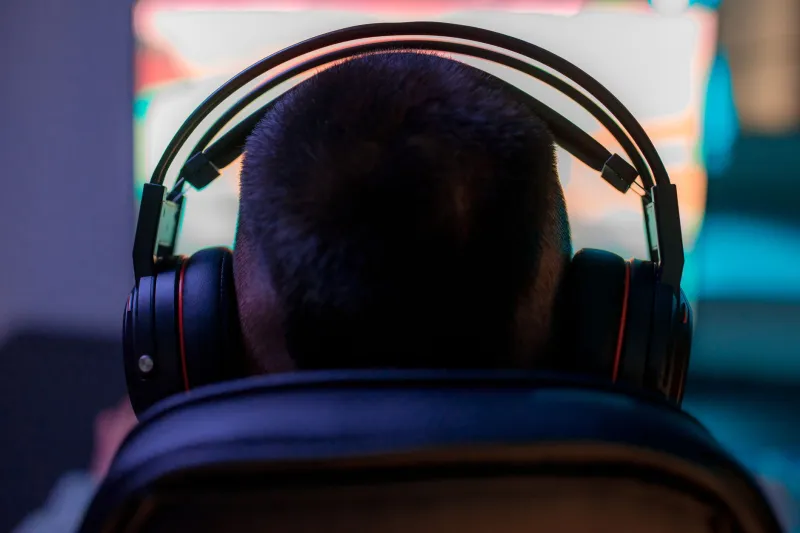
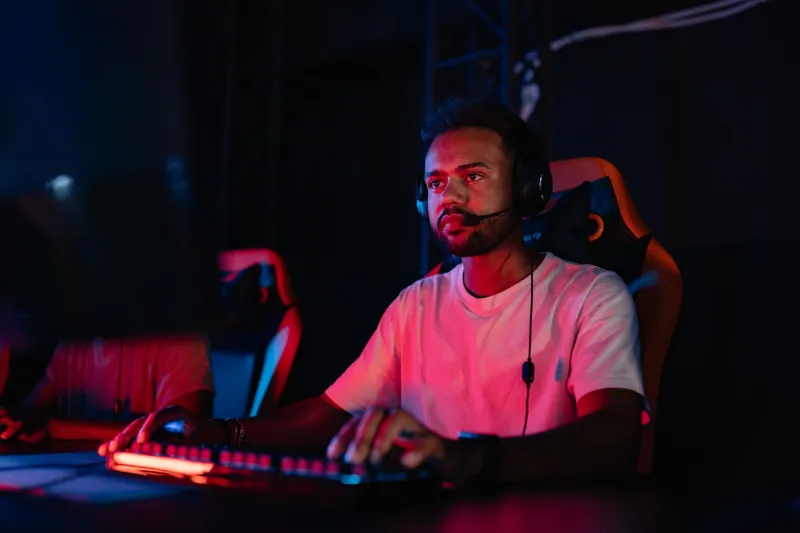
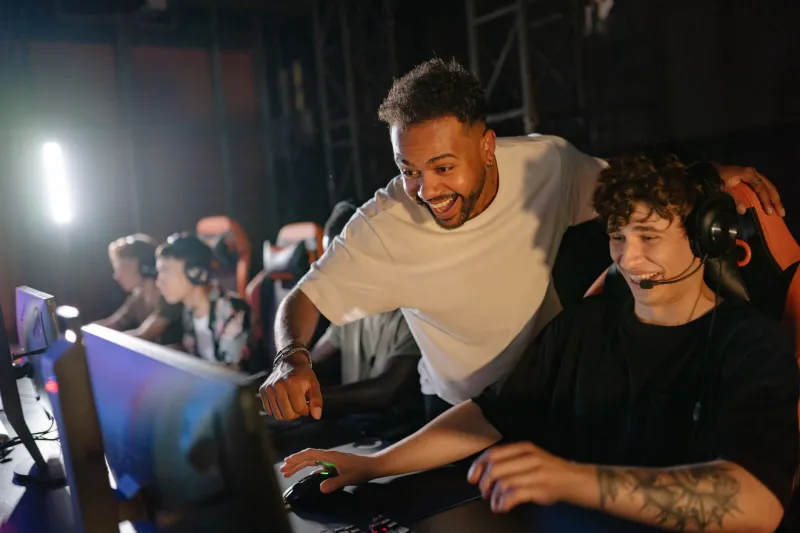
Owning the Dark: How America's Late-Night Twitch Streamers Built Cult Empires from Dead Air
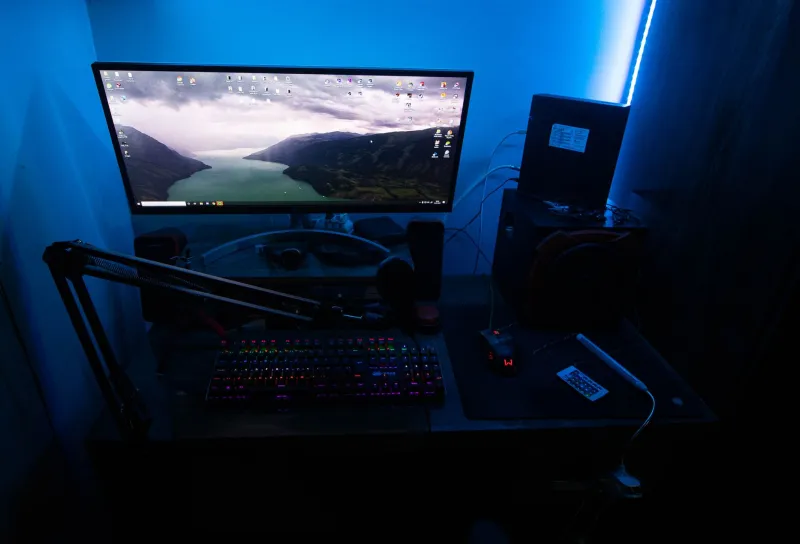
Owning the Dark: How America's Late-Night Twitch Streamers Built Cult Empires from Dead Air
Most people treat midnight like a finish line. Log off, plug in the charger, close the laptop. But for a specific breed of American streamer, midnight is a starting pistol.
They boot up when the mainstream crowd taps out. They go live when the front page of Twitch clears out and the viewer counts on the big channels start bleeding. And quietly — sometimes very quietly at first — they've built something the prime-time crowd genuinely can't touch: communities so tight, so specific, so deeply loyal that no algorithm shift or competitor drop can shake them loose.
This is the world of the graveyard shift streamer. And it's a lot more calculated than it looks.
The Void Nobody Wanted — Until Someone Did
Here's the math that most people overlook. Between roughly 11 PM and 4 AM Eastern, Twitch viewership drops hard. The mega-streamers with 50,000 concurrent viewers have signed off. The sponsored slots are empty. The noise dies.
For a new streamer trying to crack 10 viewers on a Tuesday afternoon, that daytime landscape is brutal. You're competing against established names with years of audience equity, clip libraries that feed the algorithm, and communities that are already self-sustaining. Breaking through feels like shouting into a hurricane.
But at midnight? The hurricane calms down. The platform gets quieter. And the people who are still awake — the insomniacs, the third-shift workers, the college students deep into a grind session, the west coast gamers running on Pacific time — they're actively looking for something to watch. They're not passively scrolling past your stream. They're hunting for it.
That's the opening. And the smartest late-night streamers saw it years before anyone started writing think-pieces about it.
It's Not Just Timing — It's Identity
Going live at midnight alone doesn't build a cult following. What builds it is leaning into what midnight means and making that the entire personality of your channel.
Take streamers like Dakotaz, who built a reputation partly on late-night grind sessions with a no-BS energy that felt distinctly different from the polished, brand-safe content dominating peak hours. Or look at smaller-tier creators like Nightly, a Valorant and variety streamer out of the Midwest who runs a channel that feels less like a broadcast and more like a Discord call that happened to go public. His chat has its own language, its own running jokes that stretch back hundreds of streams, its own hierarchy of regulars who've been there since the early days when he was pulling 12 viewers on a good night.
That's not an accident. It's the direct product of who shows up at 1 AM.
Late-night viewers self-select hard. They're not casual browsers. They're committed. They find a channel they vibe with and they stay — not just for one stream, but for months. For years. The parasocial bond that forms at 2 AM when it's just you, the streamer, and 80 other people who all feel like they're in on something secret? That's a different animal than what happens during a 40,000-viewer afternoon stream where chat moves so fast it's unreadable.
Monetization in the Margins
Here's what surprises people about successful graveyard shift streamers: the money works. Maybe not YouTube-ad-deal money, not right away, but the per-viewer revenue? Often significantly higher than what peak-hour streamers pull.
Late-night communities subscribe at higher rates. They tip more during emotional moments. They buy merch because they want to rep something that feels genuinely underground. The viewer who found your channel at 1 AM six months ago and has watched every stream since doesn't need to be sold anything — they want to support you because you've been there for them during some genuinely weird hours of their life.
Streamers who understand this stop chasing viewer counts and start engineering depth. They run channel point systems that reward long-term viewers. They do subscriber-only late-night game nights that feel exclusive and intimate. They use Discord to extend the community beyond the stream itself, so the culture lives 24/7 even when they're offline.
The result is a monetization model that's weirdly resilient. When Twitch changes its algorithm or a new platform launches and pulls casual viewers away, the graveyard shift community barely flinches. They're not there because of discovery. They're there because of loyalty.
The Competitive Moat Nobody Talks About
In esports and competitive gaming, we talk a lot about moats — the thing that makes a player, a team, or a brand hard to replicate. For graveyard shift streamers, the moat is almost absurdly durable.
You can't fake your way into a tight-knit late-night community. There's no shortcut. A bigger creator can't just decide to go live at midnight and immediately absorb your audience, because your audience isn't there for the game you're playing or your follower count. They're there because they've been through hundreds of hours of low-stakes, unfiltered, real conversation with you during the hours when people tend to drop their masks.
That's not scalable. It's not purchasable. And it's not replicable.
Streamers like xQc or Kai Cenat command massive audiences, but they'll never have what a 500-subscriber midnight grinder in Columbus, Ohio has built with his 60 regulars who've been riding with him for two years. Different products entirely.
The Real Cost of the Graveyard Shift
None of this is free. Running a late-night stream schedule is physically and mentally brutal, and the streamers who've made it work are honest about that.
Sleep deprivation is the obvious one. Maintaining a consistent schedule that runs against your natural circadian rhythm takes real discipline and, frankly, real sacrifice. The streamers who treat this like a legitimate career invest in sleep hygiene, nutrition, and structured off-days the same way competitive players manage their training load. The ones who don't usually burn out within a year.
There's also the isolation factor. Streaming at midnight means your social life looks different. Your family might not get it. Your non-gaming friends definitely don't get it. You're building something real, but you're doing it in the dark, and for a long time, the only people who see it are the ones in your chat.
For the ones who stick with it, though, that isolation becomes part of the identity. The graveyard shift isn't a limitation they work around. It's the whole brand.
The Void Is an Advantage
KillVoid has always been about dominating the spaces other people abandon. The late-night Twitch grind is exactly that energy — finding the gap, owning it completely, and building something so embedded in that specific corner of the platform that you become synonymous with it.
The graveyard shift gods didn't stumble into their communities. They engineered them, one 1 AM stream at a time, in the hours when everyone else had already gone to sleep and handed the void over for free.
Some people see dead air. These streamers see a blueprint.
And right now, somewhere in America, somebody's going live at midnight with 11 followers and a very specific plan. Give it two years. Check back in. The void rewards the ones who show up for it.