Paid to Stay Average: How Sponsorship Money Is Quietly Capping America's Esports Talent
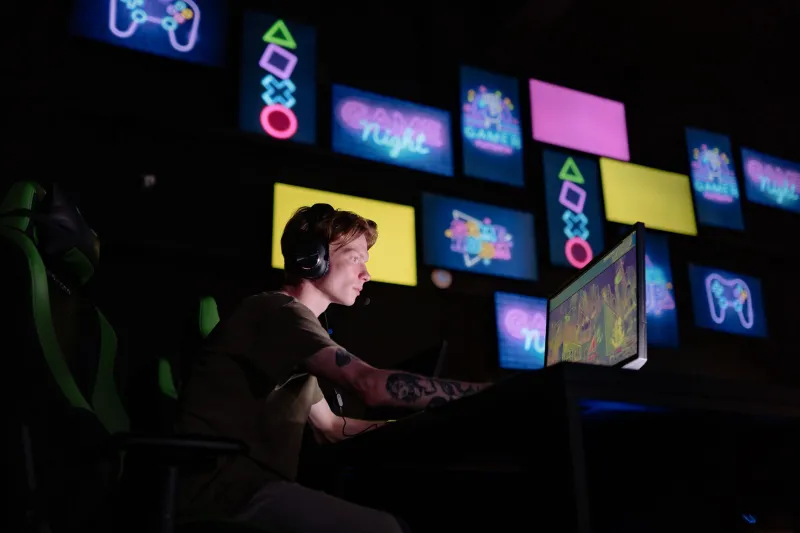
There's a version of success in American esports that looks incredible from the outside. A 19-year-old with a clean streaming setup, 400,000 followers, a peripheral deal, and a lifestyle brand partnership posting check-ins from gaming events. He's eating well. He's got clout. And competitively, he's been standing still for two years.
This isn't an isolated case. It's becoming a pattern — and the industry is only starting to reckon with what it actually means for the long-term health of competitive gaming in the US.
The Brand Calculus Nobody Talks About
Sponsors aren't evil. They're just running a different math than player development staff. A brand selling gaming chairs or energy drinks isn't evaluating talent the way a team GM would. They're looking at reach, engagement rate, content consistency, and audience demographics. A player with 300,000 engaged followers and a charismatic personality on stream is a more attractive investment than a mechanically elite competitor grinding ranked queues in obscurity.
That's not a knock on brands — it's their job. But when that logic bleeds into how young players are making career decisions, things get complicated fast.
A 20-year-old who lands a $60,000 annual sponsorship package before ever competing at a Tier 1 level has a real financial reason to prioritize content output over competitive development. Stream hours pay. Ranked hours don't — not directly, not immediately. When the money is already there, the urgency to grind toward pro-level performance quietly evaporates.
Follower Count as a False Merit Badge
The uncomfortable truth is that follower counts have started functioning like a proxy for competitive legitimacy in American esports, even when the two have almost nothing to do with each other.
Brands have accelerated this. When a peripheral company signs a player based on social metrics and then promotes that partnership as if they're backing a top competitor, it muddies the signal for fans and, more importantly, for the players themselves. The message received — whether intended or not — is that popularity and skill are interchangeable currencies.
They're not. Anyone who's watched a high-follower streamer get absolutely dismantled in an open qualifier knows the gap is real.
Coaches and talent scouts in the US scene have started flagging this privately. Players who get sponsored early are harder to develop. Not because they're lazy by nature, but because the external validation loop has already closed. The hunger that drives elite development — the desperate need to prove something — gets dulled when the financial pressure is off and the audience is already there.
The Content Trap Is a Slow One
Here's where it gets subtle. Nobody tells these players to stop improving. The trap isn't that obvious. What happens is more gradual.
Content creation demands consistency. Brands want deliverables — posts, stream hours, sponsored segments. That schedule eats into practice time. Not all of it. Just enough. A player who used to run eight focused ranked sessions a week starts running five because three of those slots now go to content planning, recording, and editing. The competitive edge doesn't vanish overnight. It just slowly goes dull.
Meanwhile, the audience rewards entertainment, not improvement. A funny rage clip performs better than a quiet, disciplined ranked grind session. So the content naturally drifts toward what works — personality, chaos, humor — and away from the sterile, repetitive work that actually builds pro-level mechanics.
By the time a player realizes they've plateaued, they've also built an audience and income stream that depends on the content version of themselves. Pivoting back toward serious competitive development risks alienating that audience and potentially the sponsor. The trap closes quietly.
What the Pipeline Actually Needs
The players who have managed to navigate this without losing their competitive edge tend to share one trait: they treated early sponsorship money as runway, not as a destination.
They used the financial stability to reduce the economic pressure of grinding without reducing the grinding itself. They kept their ranked hours protected. They were selective about content commitments. Some actively negotiated sponsorship terms that didn't require a content output volume that would compromise their training schedule.
That requires a level of self-awareness and long-term thinking that most 19-year-olds — in any industry — don't naturally have. Which is exactly why the infrastructure around these players matters so much.
US esports organizations that are serious about player development are starting to build guardrails into how they manage sponsorship relationships for younger roster members. Limiting content obligations during active competitive seasons. Structuring deals so performance incentives exist alongside content deliverables. Treating the brand relationship as a tool rather than the primary goal.
It's not a widespread practice yet. But the organizations doing it are watching their developmental players actually develop.
The Bigger Picture
American esports has a global competitiveness problem that everyone in the industry knows about and nobody fully agrees on how to fix. There are multiple contributing factors — infrastructure, coaching pipelines, regional league structures. But the sponsorship-over-skill dynamic is one that doesn't get discussed enough, partly because calling it out means pointing at money, and money makes people uncomfortable.
The void doesn't care about your follower count. The void doesn't care about your peripheral deal or your lifestyle brand or your engagement rate. The void cares whether you can perform when the pressure is real and the opponent is better than anyone you've practiced against.
Right now, too many young American players are getting paid to avoid finding that out. And the bill for that comfort is going to come due at the worst possible moment — on a stage, in a match that actually matters, against opponents who never stopped grinding.